
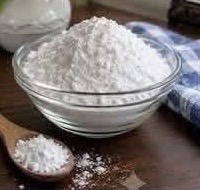
Baking soda is a common household ingredient that has become popular in homemade beauty remedies. Many DIY skincare recipes claim that baking soda can help remove dark spots, reduce wrinkles, brighten the skin, and make dark circles less noticeable. While baking soda may seem like a simple and inexpensive beauty ingredient, it is important to understand how it actually affects the skin before applying it to your face.
Baking soda is alkaline, while healthy skin naturally has a mildly acidic surface. Applying baking soda directly to the skin can potentially disturb the skin barrier, especially when it is used frequently or in concentrated mixtures. This may lead to dryness, redness, burning, irritation, or increased sensitivity.
Can Baking Soda Remove Dark Spots?
Dark spots can appear for many reasons, including sun exposure, acne marks, inflammation, hormonal changes, and the natural aging process. Although baking soda is sometimes promoted as a natural dark-spot remover, there is no good evidence that ordinary baking soda can safely eliminate pigmentation.
Instead of scrubbing dark spots with baking soda, a gentler skincare routine is usually a better approach. Daily sunscreen is particularly important because ultraviolet exposure can make existing pigmentation darker and encourage new spots to appear.
Ingredients commonly used in evidence-based brightening skincare include vitamin C, niacinamide, azelaic acid, and certain exfoliating acids. These ingredients are specifically formulated for cosmetic use and are generally more appropriate for treating uneven skin tone than kitchen baking soda.
Does Baking Soda Reduce Wrinkles?
Wrinkles develop as the skin changes with age. Collagen and elastin gradually decrease, and repeated sun exposure can accelerate visible signs of aging. Baking soda cannot rebuild collagen or reverse established wrinkles.
A baking soda scrub may temporarily make the skin feel smoother because it removes surface debris, but this does not mean that wrinkles have actually disappeared. Repeated physical or chemical irritation can even make the skin look drier and more noticeable.
For an anti-aging routine, moisturizing, sun protection, and proven skincare ingredients such as retinoids can be much more useful. A gentle routine is often better than aggressive homemade exfoliation.
What About Dark Circles?
Dark circles under the eyes are especially delicate because the skin in this area is thin and sensitive. They can be related to genetics, pigmentation, allergies, lack of sleep, dehydration, shadows caused by facial structure, or visible blood vessels.
Because the eye area is sensitive, baking soda should not be applied close to the eyes. Accidental contact can cause significant irritation, and rubbing the area may make the problem worse.
Instead, focus on adequate sleep, gentle moisturizing, sun protection, and avoiding unnecessary rubbing of the eyes. If dark circles are persistent or suddenly become more noticeable, a dermatologist can help determine the underlying cause.
A Safer Alternative to a Baking Soda Face Scrub
If you want a simple homemade skincare approach, it is better to avoid harsh scrubbing ingredients. A gentle cleansing routine can help keep the skin comfortable without damaging its protective barrier.
For a simple routine:
- Wash your face with a mild, fragrance-free cleanser.
- Rinse with lukewarm water rather than very hot water.
- Gently pat the skin dry.
- Apply a suitable moisturizer.
- Use broad-spectrum sunscreen during the day.
- Introduce new skincare products gradually.
If you are specifically trying to improve dark spots, choose a product formulated for pigmentation rather than using baking soda.
Why You Should Be Careful With DIY Baking Soda Skincare
Natural does not always mean gentle. Baking soda is safe for many household uses, but the skin has different requirements. Its alkaline nature can interfere with the skin’s natural protective environment.
Some homemade recipes also combine baking soda with lemon juice, vinegar, toothpaste, or other irritating ingredients. These combinations can be particularly harsh and may cause burning, dryness, or inflammation.
If your skin becomes red, itchy, painful, swollen, or unusually dry after trying a homemade remedy, stop using it and allow the skin to recover. Avoid applying additional irritating products until the skin feels normal again.
The Best Way to Improve Skin Appearance Naturally
Healthy-looking skin does not require complicated recipes. Consistency is usually more important than using a long list of ingredients.
Protecting your skin from the sun is one of the most important steps for preventing premature aging and worsening pigmentation. A moisturizer can support the skin barrier, while a gentle cleanser can remove dirt and excess oil without excessive drying.
For specific concerns such as stubborn dark spots, wrinkles, or persistent under-eye discoloration, professionally formulated skincare products can offer more predictable results than kitchen ingredients.
Final Thoughts
Baking soda is often advertised online as a quick solution for dark spots, wrinkles, and dark circles, but it should not be considered a proven facial treatment. Applying it directly to the face may irritate the skin and damage the protective skin barrier, particularly when used as a scrub or near the eyes.
Instead of relying on harsh DIY remedies, choose gentle skincare, moisturize regularly, protect your face from the sun, and use ingredients designed for your specific skin concern. If pigmentation, wrinkles, or dark circles are persistent, a dermatologist can recommend an appropriate treatment based on your skin type and the underlying cause.
SEO Keywords: baking soda for skin, baking soda for dark spots, baking soda for wrinkles, baking soda for dark circles, natural skincare, homemade skincare remedies, skin brightening tips, dark spot treatment, anti-aging skincare, gentle skincare routine