
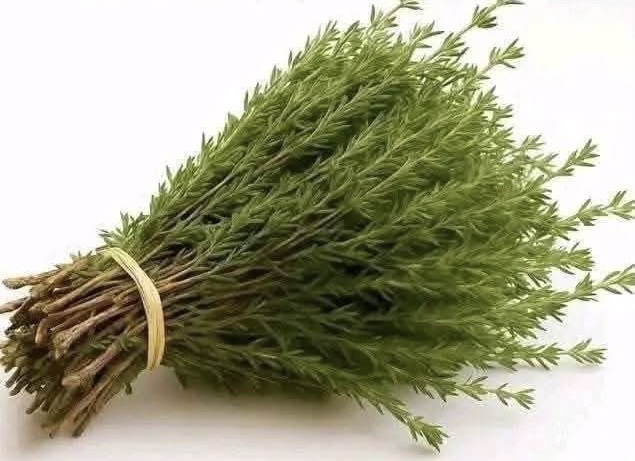
Dill is a fragrant green herb that has been used in cooking and traditional wellness practices for centuries. With its delicate leaves, fresh aroma, and distinctive flavor, dill is a popular ingredient in salads, soups, sauces, pickles, and many traditional dishes.
Online posts sometimes describe dill as a “powerful plant” capable of eliminating parasites, urinary infections, herpes, flu viruses, arthritis, sciatica, and Candida. However, these claims are much stronger than the available scientific evidence. Dill can be a nutritious addition to a balanced diet, but it should not be considered a replacement for medical treatment.
What Is Dill?
Dill, scientifically known as Anethum graveolens, is a member of the Apiaceae family, which also includes carrots, celery, parsley, and fennel. Both the fresh leaves and seeds are commonly used.
Fresh dill contains a variety of plant compounds, vitamins, minerals, and antioxidants. Its seeds are also used traditionally to prepare herbal infusions and as a culinary spice.
Because dill has a strong flavor, a small amount can add freshness and complexity to meals without requiring much salt, sugar, or heavy sauces.
Dill and Antioxidants
One reason dill has attracted scientific interest is its content of naturally occurring antioxidant compounds. Antioxidants help protect cells from oxidative stress caused by unstable molecules known as free radicals.
Eating a variety of herbs, vegetables, fruits, legumes, nuts, and whole grains is generally a better approach to obtaining protective plant compounds than relying on one “miracle” herb.
Adding dill to everyday meals can therefore be an easy way to increase the variety of plant foods in your diet.
Dill and Digestion
Dill has traditionally been used as a digestive herb. Dill seeds, in particular, have appeared in traditional preparations intended to support digestion and reduce occasional digestive discomfort.
However, traditional use does not automatically prove that dill can treat a digestive disease. Persistent abdominal pain, severe bloating, vomiting, blood in the stool, or unexplained changes in digestion should be evaluated by a healthcare professional.
Can Dill Treat Urinary Tract Infections?
Some laboratory research has investigated compounds found in dill and their potential antimicrobial activity. Nevertheless, laboratory findings are not the same as proving that eating dill or drinking dill tea can cure an infection in humans.
Urinary tract infections can require proper diagnosis and treatment. Symptoms such as burning during urination, frequent urination, pelvic discomfort, fever, or back pain should not be ignored.
If a urinary infection is suspected, dill should not be used as a substitute for appropriate medical care.
What About Parasites, Candida, Herpes, and Flu?
Claims that dill can “destroy” parasites, Candida, herpes viruses, or influenza viruses are not supported strongly enough to recommend dill as a treatment for these conditions.
Certain plant compounds may demonstrate antimicrobial or antiviral effects in laboratory studies, but this does not mean the whole herb can eliminate an infection inside the human body.
Conditions caused by parasites, fungi, or viruses can require completely different treatments. Using an unproven herbal remedy instead of appropriate care could allow an infection to become more serious.
Dill and Joint Pain
Dill contains plant compounds with antioxidant and potentially anti-inflammatory properties, which is one reason researchers have explored its possible health effects.
Still, there is not enough evidence to say that dill can cure arthritis, sciatica, or chronic joint pain.
For people experiencing persistent joint, hip, or back pain, identifying the underlying cause is important. Treatment may involve physical activity, physiotherapy, medication, lifestyle changes, or other approaches recommended by a qualified professional.
Simple Ways to Add Dill to Your Diet
You do not need complicated preparations to enjoy dill. Fresh dill can be added to:
- Greek yogurt and cucumber sauces
- Salads and vegetable dishes
- Grilled fish
- Eggs and omelets
- Homemade soups
- Potatoes and rice
- Homemade pickles
- Beans and lentils
- Sandwiches and wraps
Dill can also be combined with lemon juice, garlic, yogurt, and olive oil to create a flavorful homemade dressing.
Final Thoughts
Dill is a flavorful and versatile herb that can contribute beneficial plant compounds to a balanced diet. Its traditional uses and early laboratory research are interesting, but claims that it can cure infections, parasites, herpes, Candida, arthritis, or sciatica go beyond what current evidence can establish.
Rather than viewing dill as a miracle cure, consider it a healthy culinary herb that can make everyday meals more enjoyable. If you have symptoms of an infection or persistent pain, seek appropriate medical advice rather than relying solely on herbal remedies.