
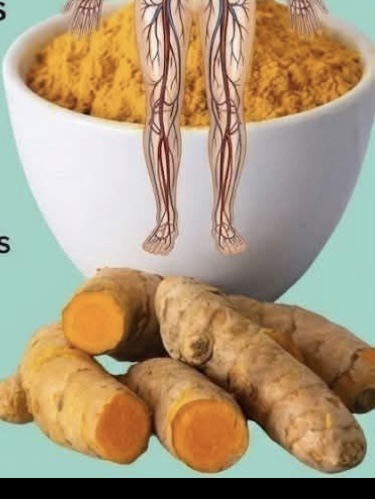
Turmeric is one of the most popular spices in traditional cooking and wellness practices. Known for its bright golden color and warm, earthy flavor, turmeric has been used for centuries in different cuisines, especially throughout South Asia and the Middle East. Today, it is widely studied because it contains curcumin, a natural compound with antioxidant and anti-inflammatory properties.
Adding turmeric to your meals can be an easy way to increase the variety of beneficial plant compounds in your diet. While turmeric is not a miracle cure and should not replace medical treatment, moderate amounts can be part of a balanced and healthy lifestyle.
1. Turmeric Contains Antioxidants
Turmeric contains naturally occurring compounds that have antioxidant activity. Antioxidants help protect cells from oxidative stress caused by unstable molecules called free radicals.
Oxidative stress is a normal biological process, but excessive oxidative stress can contribute to cellular damage. Eating a varied diet containing fruits, vegetables, herbs, and spices can help provide a wide range of protective compounds.
2. It Has Anti-Inflammatory Properties
Curcumin, one of the best-known compounds in turmeric, has been researched for its potential anti-inflammatory effects. Inflammation is a natural part of the body’s response to injury and infection, but long-term inflammation can be associated with several chronic health conditions.
Some research has investigated curcumin supplements for joint discomfort and symptoms associated with osteoarthritis. However, results vary, and turmeric should not be considered a replacement for prescribed treatment.
3. Turmeric May Support Joint Comfort
Turmeric is particularly popular among people interested in maintaining comfortable and flexible joints. Its anti-inflammatory properties are one reason researchers have studied curcumin for joint health.
For people experiencing persistent joint pain, swelling, or stiffness, it is important to speak with a healthcare professional rather than relying only on turmeric or other dietary remedies.
4. It Can Be Part of a Heart-Healthy Diet
A healthy cardiovascular system depends on many factors, including regular physical activity, a nutritious diet, healthy blood pressure, cholesterol management, sufficient sleep, and avoiding tobacco.
Turmeric can contribute to a healthy eating pattern when used alongside vegetables, fruits, whole grains, legumes, nuts, seeds, and other nutrient-rich foods. However, eating turmeric alone has not been established as a way to prevent heart attacks.
5. Turmeric and Digestive Health
Turmeric has traditionally been used in food and herbal preparations to support digestion. Adding a small amount of turmeric to meals can provide flavor while increasing the variety of herbs and spices in your diet.
If you experience frequent bloating, abdominal pain, persistent heartburn, or other digestive symptoms, it is better to identify the underlying cause with a healthcare professional instead of treating the symptoms only with turmeric.
6. Can Turmeric Help With Blood Sugar?
Research has explored whether curcumin may influence blood glucose regulation and metabolic health. Some studies suggest potential benefits, but the evidence is not strong enough to use turmeric as a treatment for diabetes.
People taking medication for diabetes should be especially careful with concentrated turmeric or curcumin supplements because combining supplements with medication may affect blood sugar levels.
7. Turmeric and Brain Health
Curcumin has also attracted scientific interest because of its antioxidant and anti-inflammatory properties. Researchers have investigated whether it may have a role in supporting healthy brain function.
However, claims that turmeric dramatically improves memory or prevents neurological diseases go beyond what current evidence can establish. More research is needed to understand the long-term effects.
8. How to Add Turmeric to Your Daily Diet
One of the easiest ways to consume turmeric is simply to use it as a cooking spice. You can add a small amount to soups, rice, vegetables, lentils, eggs, sauces, or homemade dressings.
Turmeric can also be combined with black pepper and healthy fats in recipes. Black pepper contains piperine, which can increase the absorption of curcumin, although this does not mean that more turmeric is necessarily better.
A simple turmeric drink can be made by mixing a small amount of turmeric into warm milk or a plant-based milk alternative, together with cinnamon or ginger for flavor.
9. Turmeric Is Not a Substitute for Medical Care
Although turmeric has interesting nutritional and research potential, many popular social-media claims about it are exaggerated. Turmeric cannot be expected to “clean” the blood, repair damaged organs overnight, eliminate disease, or replace prescription medicine.
The best approach is to think of turmeric as one useful ingredient within an overall healthy diet.
Important Safety Considerations
Culinary amounts of turmeric are generally well tolerated by many people. However, concentrated turmeric or curcumin supplements are different from using the spice in food.
High-dose supplements may cause digestive problems and can interact with certain medications. People who take blood-thinning medication, have gallbladder problems, are preparing for surgery, or have other medical conditions should speak with a healthcare professional before using concentrated turmeric supplements.
Final Thoughts
Turmeric is a flavorful golden spice that can easily become part of a balanced diet. Its naturally occurring compounds, particularly curcumin, have antioxidant and anti-inflammatory properties that continue to be studied.
From adding turmeric to rice and vegetables to preparing a warm turmeric drink, there are many simple ways to enjoy it. Rather than viewing turmeric as a miracle remedy, consider it one small addition to a diet rich in whole foods, regular exercise, and healthy lifestyle habits.
Use turmeric for its flavor and nutritional value, and remember that lasting health comes from consistent habits rather than a single ingredient.