
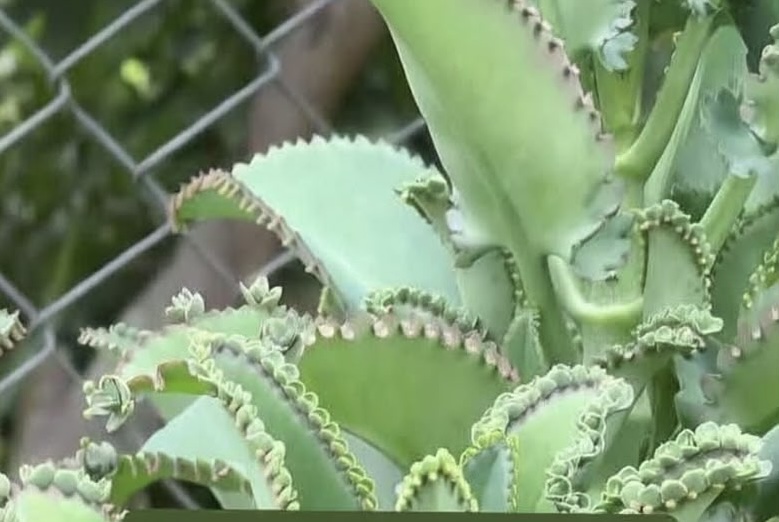
Certain leaves have attracted attention for their traditional uses and their naturally occurring plant compounds. Some have even been investigated in laboratory studies for possible anticancer activity. However, it is important to separate scientific research from claims that a particular leaf can “destroy cancer.” No single leaf or homemade recipe has been proven to cure cancer, and medical treatment should never be replaced with an unproven remedy.
One interesting way to explore traditional herbal ingredients is through a simple herbal infusion. This can be a pleasant addition to a balanced lifestyle while allowing you to learn more about the plants that have been used in different cultures for generations.
Why Are Certain Leaves Studied?
Plants contain many naturally occurring compounds, including polyphenols, flavonoids, tannins, terpenes, and other phytochemicals. Researchers investigate these compounds because some demonstrate biological activity in laboratory experiments.
In cell and animal studies, certain plant compounds have shown effects on processes involved in inflammation, oxidative stress, and cell growth. These findings can be useful for scientific research, but they do not automatically mean that drinking a tea made from the plant will produce the same effects in humans.
Cancer is a complex group of diseases involving different types of cells, genetic changes, and biological mechanisms. Treatments depend on the specific cancer and may include surgery, chemotherapy, radiation therapy, immunotherapy, targeted therapy, hormone therapy, or combinations of these approaches.
A Simple Herbal Leaf Tea
If you enjoy traditional herbal beverages, a simple leaf infusion can be prepared without complicated ingredients.
Start with clean, food-grade leaves that are specifically known to be safe for culinary or tea use. Wash fresh leaves thoroughly under running water.
Place a small handful of leaves in a saucepan with approximately two cups of water. Bring the water to a gentle simmer and allow the leaves to infuse for several minutes.
Remove the saucepan from the heat and allow the mixture to cool slightly. Strain the liquid through a fine strainer and serve warm.
For flavor, you can add a small amount of lemon or honey if desired. If you prefer a cold drink, allow the infusion to cool completely and refrigerate it before serving over ice.
The purpose of this preparation is to create a traditional herbal drink—not a cancer treatment.
The Importance of Scientific Evidence
Headlines about natural remedies often make dramatic claims based on preliminary laboratory research. A study showing that an extract affects cancer cells in a laboratory dish is very different from demonstrating that the same plant treats cancer in people.
Researchers need carefully designed clinical trials to determine whether a treatment is effective and safe for patients. They also need to establish appropriate doses, possible side effects, drug interactions, and which patients might benefit.
For this reason, claims that a particular leaf “destroys cancer” or that doctors are hiding a cure should be treated cautiously unless supported by strong clinical evidence.
Natural Compounds and Antioxidants
Many edible plants contain antioxidant compounds. Antioxidants are substances that can interact with free radicals and are widely studied in nutrition and biology.
Leafy plants can contain different levels of polyphenols depending on the species, variety, growing conditions, maturity, preparation method, and storage.
Eating a wide variety of vegetables, fruits, legumes, whole grains, nuts, and other nutrient-rich foods is generally more meaningful for overall nutrition than focusing on one particular plant.
An herbal tea can be enjoyed as part of this broader approach, but it should not be presented as a substitute for evidence-based cancer prevention or treatment.
Traditional Herbal Practices
Herbal medicine has been part of many cultures for centuries. Leaves, roots, flowers, seeds, and bark have traditionally been prepared as teas, infusions, powders, or other preparations.
Traditional knowledge can provide interesting starting points for scientific investigation. Researchers sometimes study traditional plants to identify compounds that could eventually contribute to new medicines.
However, traditional use and clinical proof are not the same thing. A plant may have a long history of traditional use while still lacking sufficient evidence for treating a serious disease.
How to Use Herbal Ingredients Responsibly
Always identify a plant correctly before consuming it. Some plants can look similar to edible species but may be poisonous.
Use leaves that are intended for food or herbal tea and avoid collecting plants from roadsides, areas treated with pesticides, or places where contamination is possible.
Avoid highly concentrated homemade extracts unless you have professional guidance. Concentration can significantly change exposure to plant compounds and may increase the possibility of side effects.
If you take prescription medication, ask your doctor or pharmacist about potential interactions before regularly consuming medicinal herbs.
Cancer Treatment Should Remain Evidence-Based
Anyone diagnosed with cancer should discuss treatment options with an oncology team. Herbal products may sometimes interfere with medicines, including certain cancer treatments, by changing how drugs are absorbed or metabolized.
This is particularly important before surgery, chemotherapy, radiation therapy, immunotherapy, or targeted treatment.
If someone is considering an herbal product alongside conventional treatment, the safest approach is to tell their healthcare team exactly what product they are using, including the ingredients and approximate amount.
A Healthier Perspective on “Miracle Leaves”
The idea of a secret leaf that doctors do not want people to know about is appealing, but cancer treatment is far more complicated than a single ingredient.
A responsible approach is to appreciate traditional plants for what research actually demonstrates. Some leaves contain fascinating compounds and may deserve further scientific investigation. That does not mean they can cure cancer.
Healthy habits such as avoiding tobacco, limiting alcohol, maintaining a healthy weight, staying physically active, eating a balanced diet, protecting the skin from excessive ultraviolet exposure, and following recommended cancer screening guidelines can play important roles in reducing certain cancer risks.
Final Thoughts
Leaves can contain fascinating natural compounds, and researchers continue to investigate many plants for their potential biological effects. However, there is currently no simple leaf tea or homemade recipe that can be responsibly described as a proven cure for cancer.
A basic herbal infusion can be enjoyed as a traditional beverage when the plant is correctly identified and safe for consumption. For anyone living with cancer, however, herbal preparations should never replace professional diagnosis or established treatment.
The most useful lesson is simple: explore traditional remedies with curiosity, but evaluate strong health claims through reliable scientific evidence. A natural ingredient can be interesting without being a miracle cure.