
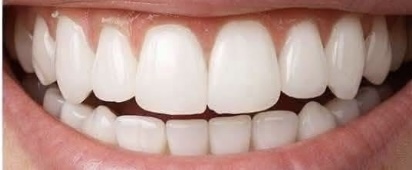
A bright, healthy smile can make a big difference in your confidence, but removing tartar and whitening teeth are two different things. Many home remedies claim to remove hardened tartar in just a few minutes, but tartar cannot be safely scraped away at home without potentially damaging the enamel or gums. The good news is that you can take simple daily steps to reduce plaque, maintain cleaner teeth, and help your smile look naturally brighter.
What Is Tartar?
Tartar, also called dental calculus, forms when plaque hardens on the teeth. Plaque is a sticky film containing bacteria that develops naturally throughout the day. If it is not removed effectively through brushing and cleaning between the teeth, it can eventually mineralize and become tartar.
Unlike soft plaque, hardened tartar cannot usually be removed completely with an ordinary toothbrush. Professional dental cleaning is the safest way to remove established calculus.
Can You Remove Tartar in Two Minutes?
Be careful with social-media recipes promising to dissolve or remove tartar in only two minutes. Ingredients such as lemon juice, vinegar, concentrated baking soda, or abrasive powders can damage tooth enamel or irritate the gums when used incorrectly.
A cleaner-looking smile after brushing does not necessarily mean that hardened tartar has disappeared. Good oral hygiene can remove surface plaque and some stains, but professional treatment may be necessary when calculus has already formed.
The Best Daily Routine for Cleaner Teeth
The most effective approach is consistency. Brush your teeth twice a day for about two minutes using fluoride toothpaste and a soft-bristled toothbrush.
Use gentle circular or short back-and-forth movements and make sure you reach the front, back, and chewing surfaces of your teeth. Avoid brushing aggressively because excessive pressure can irritate the gums and contribute to enamel wear.
Cleaning between your teeth is also important. Dental floss or an appropriate interdental cleaner can help remove plaque from areas that a toothbrush cannot reach.
How to Whiten Teeth Naturally
Teeth can become darker over time because of foods, drinks, tobacco, and natural aging. Coffee, tea, cola, and some strongly colored foods can contribute to surface staining.
One of the simplest ways to maintain a brighter smile is to limit frequent exposure to staining beverages and rinse your mouth with water afterward. Maintaining regular brushing and professional dental care can also help prevent stains from building up.
Whitening toothpaste may help reduce certain surface stains, but it does not change the natural color of teeth dramatically. For more noticeable whitening, dentist-supervised treatments are generally safer and more predictable.
Why Lemon and Vinegar Are Not Good Whitening Remedies
Acidic ingredients such as lemon juice and vinegar are sometimes recommended online as natural teeth-whitening solutions. However, repeatedly exposing teeth to acids can soften and erode enamel.
Enamel does not grow back once it has been permanently lost. For this reason, acidic kitchen ingredients should not be used as a DIY substitute for proper dental whitening products or professional treatment.
What About Baking Soda?
Baking soda can be found in some commercial toothpastes because it can help with cleaning and surface stains. However, using homemade mixtures aggressively or rubbing baking soda directly against the teeth can be unnecessarily abrasive.
If you want to use baking soda for oral care, choosing a properly formulated dental product is a safer option than creating a strong homemade whitening mixture.
When You Should See a Dentist
Professional dental care is particularly important when you notice visible tartar around the gumline, persistent bad breath, bleeding gums, gum swelling, tooth sensitivity, or loose teeth.
A dental professional can remove hardened calculus using appropriate instruments without requiring you to scrape your teeth at home. Regular dental checkups can also help identify cavities and gum problems before they become more serious.
Simple Habits for a Healthier Smile
For everyday oral care, remember these simple habits:
- Brush twice daily with fluoride toothpaste.
- Clean between your teeth every day.
- Replace your toothbrush or brush head regularly.
- Drink water throughout the day.
- Limit frequent sugary snacks and drinks.
- Avoid smoking and tobacco products.
- Rinse with water after coffee or other staining beverages.
- Schedule professional dental cleanings when recommended.
Final Thoughts
There is no reliable DIY recipe that safely removes hardened tartar from teeth in two minutes. However, a consistent oral-care routine can significantly reduce plaque buildup and help keep your teeth looking cleaner and brighter.
Avoid harsh acids, aggressive scraping, and abrasive homemade mixtures. If tartar has already hardened on your teeth, professional dental cleaning is the safest solution. For whitening, choose evidence-based products or discuss professional options with a dentist.
A healthy smile does not require a secret trick. Consistent brushing, cleaning between the teeth, smart dietary habits, and regular dental care are the most dependable ways to maintain clean, healthy-looking, and naturally bright teeth.