
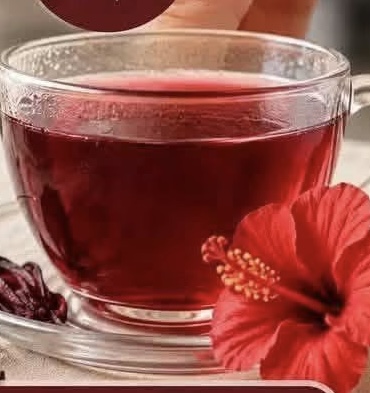
Hibiscus tea is a vibrant, ruby-red herbal drink made from dried hibiscus flowers. It has a naturally tart, refreshing flavor and can be enjoyed hot or cold. Many people drink hibiscus tea as part of a balanced lifestyle because it is naturally caffeine-free and contains plant compounds known as anthocyanins and other antioxidants.
A simple 10-day hibiscus tea routine can be an enjoyable way to add more herbal beverages to your daily habits. However, hibiscus tea should not be considered a treatment for kidney disease, high cholesterol, excess body fat, or other medical conditions. Its effects can vary from person to person, and healthy habits remain the foundation of overall wellness.
How to Make Hibiscus Tea
Ingredients:
- 2 tablespoons dried hibiscus flowers
- 4 cups water
- 1 teaspoon honey, optional
- A few slices of lemon, optional
- Ice, optional for iced tea
Instructions:
- Bring 4 cups of water to a gentle boil.
- Add the dried hibiscus flowers.
- Reduce the heat and allow the flowers to steep for about 5–10 minutes.
- Strain the tea into a cup or glass.
- Add a small amount of honey or lemon if desired.
- Enjoy it warm, or allow it to cool and serve over ice.
For a lighter flavor, use less hibiscus or steep it for a shorter period. Because hibiscus naturally has a sour taste, many people enjoy it with lemon, mint, or a small amount of honey.
A Simple 10-Day Hibiscus Tea Routine
If you enjoy hibiscus tea, you can include one cup in your daily routine for 10 days. The goal should be consistency rather than drinking large amounts.
Try drinking it with breakfast, in the afternoon, or after a meal. You can also prepare a larger batch and keep it refrigerated for a refreshing homemade drink.
During these 10 days, focus on drinking enough plain water, eating vegetables and fruits, choosing nutritious meals, and staying physically active. Hibiscus tea can complement these habits, but it cannot replace them.
Hibiscus Tea and Blood Pressure
One of the most researched potential benefits of hibiscus tea is its relationship with blood pressure. Some studies suggest that hibiscus preparations may have a modest blood-pressure-lowering effect in certain adults.
This does not mean hibiscus tea should replace prescribed blood-pressure medication. If you take medication for hypertension, talk with your healthcare professional before regularly consuming hibiscus tea, particularly in larger amounts.
Hibiscus Tea and Antioxidants
Hibiscus is rich in naturally occurring plant compounds, including anthocyanins, which contribute to its deep red color. Antioxidants help protect cells from oxidative stress and are commonly found in colorful fruits, vegetables, and herbs.
Adding hibiscus tea to a varied diet can therefore be a pleasant way to consume more plant-based compounds without relying on sugary beverages.
Does Hibiscus Tea Remove Excess Fluid?
Hibiscus tea is sometimes described online as a “detox” or natural way to cleanse the kidneys. These claims are often exaggerated. Your kidneys already perform the important job of filtering waste and maintaining fluid and electrolyte balance.
Hibiscus tea may have mild diuretic effects in some circumstances, but this should not be interpreted as literally “cleansing” the kidneys. If you have kidney problems, unexplained swelling, or persistent changes in urination, seek medical advice rather than relying on herbal tea.
Can Hibiscus Tea Help With Weight Loss?
Hibiscus tea is naturally low in calories when consumed without added sugar. Replacing high-calorie sodas, sweetened juices, or other sugary drinks with unsweetened hibiscus tea may help reduce overall calorie intake.
However, hibiscus tea does not directly “activate fat loss.” Sustainable weight management depends primarily on overall calorie intake, nutrition, physical activity, sleep, and other lifestyle factors.
Tips for Enjoying Hibiscus Tea
For the best experience, choose food-grade dried hibiscus flowers from a reliable source. Avoid adding large amounts of sugar if you are trying to make your drink lighter.
You can also experiment with natural flavors such as:
- Fresh mint
- Lemon slices
- Orange peel
- Ginger
- Cinnamon
- A small amount of honey
Hibiscus tea can be served hot during colder months or chilled with ice during warm weather.
Important Safety Considerations
Although hibiscus tea is commonly consumed as a beverage, it is not appropriate for everyone. Hibiscus may interact with certain medications and may potentially lower blood pressure. People taking blood-pressure medication should ask a healthcare professional before making it a regular part of their routine.
Pregnant or breastfeeding individuals should also consult a qualified healthcare professional before consuming hibiscus preparations regularly. If you experience dizziness, unusual symptoms, or an allergic reaction, stop drinking it and seek appropriate medical advice.
Final Thoughts
A 10-day hibiscus tea routine can be a simple and refreshing addition to a healthy lifestyle. Its bright color, tart flavor, caffeine-free nature, and antioxidant content make it an appealing alternative to sugary drinks.
For the best results, enjoy hibiscus tea as part of a balanced diet rather than viewing it as a quick detox, fat-burning remedy, or cure for health conditions. One simple cup can become a relaxing daily habit while you continue focusing on hydration, nutritious foods, regular movement, and good sleep.