
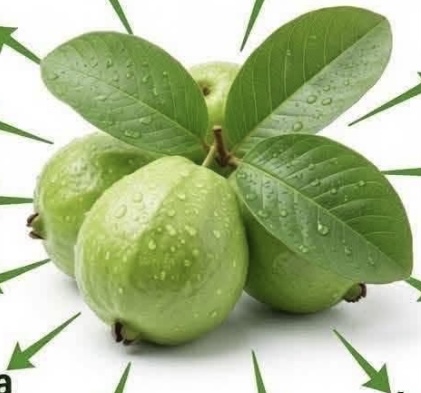
Guava leaves are often overlooked because the sweet, fragrant fruit gets most of the attention. However, the leaves of the guava tree have a long history of traditional use in different cultures. Their pleasant aroma, natural compounds, and versatility have made guava leaves a popular ingredient in homemade teas, rinses, and simple wellness preparations.
Whether you have access to fresh guava leaves or dried leaves, learning how to use them properly can be an interesting way to explore this traditional plant ingredient. Guava leaves are especially well known for their use in herbal tea, which can be enjoyed as a warm or refreshing beverage.
What Makes Guava Leaves Interesting?
Guava leaves contain naturally occurring plant compounds, including polyphenols, flavonoids, and other antioxidants. These compounds help explain why guava leaves have attracted attention in traditional wellness practices and modern research.
The leaves are usually oval-shaped, green, and slightly aromatic. Young leaves tend to be softer and lighter in color, while mature leaves are firmer and darker green. When gently crushed, they release a distinctive herbal fragrance.
Although guava leaves have many traditional uses, they should not be viewed as a cure for medical conditions. Research into guava leaf compounds is ongoing, and traditional use does not automatically mean that a preparation has been clinically proven to treat or prevent a disease.
Guava Leaf Tea
One of the simplest ways to use guava leaves is to prepare a mild herbal tea. Fresh leaves can be washed thoroughly before preparation, while dried guava leaves can be purchased from some herbal stores.
To make a basic guava leaf tea, start with several clean guava leaves. Rinse them carefully to remove dirt or residue. Add the leaves to a small pot of water and bring the water to a gentle boil. Reduce the heat and allow the leaves to simmer for several minutes.
Turn off the heat and let the tea rest briefly. Strain the liquid before serving. It can be enjoyed warm, or you can allow it to cool and serve it over ice for a refreshing drink.
The flavor is naturally herbal and slightly earthy. Some people prefer adding a small amount of lemon or honey for taste.
Traditional Uses of Guava Leaves
Guava leaves have been used traditionally in various parts of the world for generations. Different cultures have prepared the leaves in different ways, including teas, infusions, and external rinses.
Traditionally, guava leaf preparations have been associated with digestive comfort and general wellness. Some people also use cooled guava leaf infusions as a simple hair or skin rinse.
These traditional applications are part of herbal culture rather than guaranteed medical treatments. If you are experiencing persistent digestive, skin, or other health problems, it is important to speak with a qualified healthcare professional rather than relying on herbal preparations alone.
Guava Leaves and Antioxidants
Plants naturally produce compounds that help protect them from environmental stress. Many of these compounds are also being studied for their potential biological activity in humans.
Guava leaves contain several antioxidant-related plant compounds, particularly polyphenols and flavonoids. Antioxidants are widely studied because oxidative stress is involved in many biological processes.
Including a variety of fruits, vegetables, herbs, and other plant foods in a balanced diet is generally a better approach than relying on one particular ingredient. Guava leaves can be an interesting addition to traditional herbal practices, but they are not a substitute for a nutritious diet.
How to Choose Fresh Guava Leaves
If you are collecting fresh guava leaves, choose leaves that look healthy and clean. Avoid leaves that have visible mold, unusual discoloration, insect damage, or chemical residue.
If the tree has been treated with pesticides or other chemicals, avoid using the leaves for tea unless they are specifically suitable for consumption.
Always wash fresh leaves thoroughly before preparing them. When purchasing dried guava leaves, choose products intended for food or herbal tea use and follow the preparation instructions provided on the packaging.
A Simple Guava Leaf Wellness Routine
For a simple preparation, wash several fresh guava leaves and place them in a pot with water. Simmer gently for a few minutes, then remove the pot from the heat.
Allow the infusion to cool slightly and strain it into a cup. You can drink it plain or add a little lemon for a brighter flavor.
For an iced version, allow the strained tea to cool completely and refrigerate it. Serve it over ice and garnish with a small slice of lemon.
Keeping the preparation simple makes it easier to appreciate the natural flavor of the leaves without adding large amounts of sugar.
Important Safety Considerations
Natural does not always mean risk-free. Guava leaves contain active plant compounds, and concentrated preparations may not be appropriate for everyone.
People who take prescription medications, are pregnant or breastfeeding, have a chronic medical condition, or are considering using guava leaf preparations regularly should consult a healthcare professional first.
It is also important not to use guava leaves as a replacement for prescribed medication or professional medical care. If you develop unusual symptoms after consuming an herbal preparation, stop using it and seek appropriate medical advice.
Final Thoughts
Guava leaves may not receive as much attention as the fruit, but they have a fascinating history of traditional use. Their natural plant compounds, distinctive aroma, and versatility make them an interesting ingredient for homemade herbal tea and other simple preparations.
A mild guava leaf tea can be prepared with just fresh leaves and water, making it an easy way to explore this traditional ingredient. While scientific research continues to investigate the compounds found in guava leaves, it is best to enjoy them as part of a balanced lifestyle rather than treating them as a miracle remedy.
The next time you see a guava tree, take a closer look at its leaves. These simple green leaves have a surprisingly rich traditional history and remain one of the most interesting parts of the guava plant.