
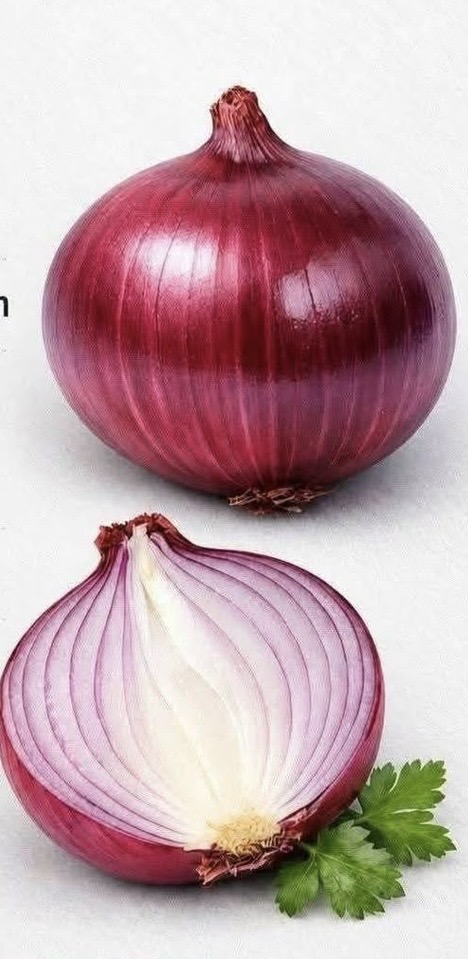
Red onions are a flavorful and nutritious vegetable that can add color, crunch, and valuable nutrients to everyday meals. Known for their deep purple-red skin and mild, slightly sweet flavor, red onions are especially popular in salads, sandwiches, salsas, roasted dishes, and homemade recipes.
Like other onions, red onions contain naturally occurring plant compounds, including antioxidants and sulfur-containing compounds. These compounds have been studied for their potential role in supporting overall health. While red onions are not a medicine and should not be used to treat disease, including them as part of a balanced diet can be a simple way to increase vegetable and antioxidant intake.
Rich in Antioxidants
One of the most interesting features of red onions is their concentration of plant pigments called anthocyanins. These compounds are responsible for the characteristic red-purple color of many fruits and vegetables.
Red onions also contain quercetin, a naturally occurring flavonoid that has antioxidant properties. Antioxidants help protect cells from oxidative stress caused by unstable molecules known as free radicals.
Eating a variety of colorful vegetables is generally recommended because different plant foods provide different combinations of beneficial compounds. Red onions can therefore be a useful addition to a varied, nutrient-rich diet.
Red Onions and Heart Health
A healthy eating pattern that includes vegetables is important for cardiovascular health. Red onions can contribute to this pattern because they provide antioxidants and other plant compounds while being naturally low in calories.
Research has explored onion compounds such as quercetin in relation to cardiovascular health, blood pressure, and cholesterol. However, eating red onions should not be considered a replacement for prescribed treatment or a guaranteed way to lower blood pressure or cholesterol.
For better heart health, combine vegetables such as red onions with other healthy foods, regular physical activity, adequate sleep, and appropriate medical care.
Supporting Healthy Blood Sugar Levels
Red onions contain relatively few calories and carbohydrates compared with many processed foods, making them an easy vegetable to include in balanced meals.
Some research has investigated onions and their plant compounds in relation to glucose metabolism. Nevertheless, red onions cannot independently regulate blood sugar or cure diabetes. People managing diabetes should continue following their healthcare professional’s recommendations and consider the overall carbohydrate content of their meals.
Natural Compounds and Immune Support
Onions contain sulfur-containing compounds and antioxidants that contribute to their distinctive smell and flavor. These compounds have attracted scientific interest because of their biological activity.
However, claims that red onions can “kill infections” or replace antibiotics are misleading. Eating onions may support a healthy diet, but bacterial infections that require treatment should be evaluated by a healthcare professional.
Can Red Onion Help With Coughs and Colds?
Red onion is sometimes used in traditional home remedies for coughs and cold symptoms. Some people prepare onion-based syrups or combine onions with ingredients such as honey.
These traditional preparations may be soothing for some people, but there is not enough evidence to describe red onion as a cure for influenza, respiratory infections, or other illnesses.
For a common cold, adequate fluids, rest, nutritious foods, and appropriate symptom relief can be helpful. If symptoms become severe, persistent, or unusual, medical advice is recommended.
Raw or Cooked: Which Is Better?
Red onions can be enjoyed both raw and cooked. Eating them raw preserves their crisp texture and makes them particularly useful in salads, sandwiches, wraps, and fresh salsa.
Cooking changes the flavor and texture and may affect some heat-sensitive compounds. Rather than focusing on one preparation method, the most practical approach is to enjoy onions in different ways as part of a varied diet.
If the sharp flavor of raw onion is too strong, soaking sliced onion briefly in cold water can create a milder taste.
Easy Ways to Add Red Onion to Your Diet
There are many simple ways to enjoy red onions throughout the week:
- Add thin slices to green salads.
- Mix diced red onion into homemade salsa.
- Add it to sandwiches and wraps.
- Combine it with tomatoes and cucumber.
- Roast it with other vegetables.
- Add chopped onion to omelets or savory dishes.
- Use it as a topping for grilled foods.
- Mix it into homemade bean or chickpea salads.
Because red onions pair well with many ingredients, they can make healthy meals more flavorful without requiring complicated preparation.
Important Things to Remember
Although red onions are nutritious, they are not a miracle food. They should not be promoted as a treatment for high blood pressure, diabetes, infections, flu, or other medical conditions.
Some people may experience bloating, gas, heartburn, or digestive discomfort after eating onions, particularly in larger quantities. People with sensitive digestion may find cooked onions easier to tolerate than raw onions.
The healthiest approach is to enjoy red onions alongside a wide variety of vegetables, fruits, whole grains, legumes, nuts, seeds, and other nutritious foods.
Final Thoughts
Red onions are a simple, affordable, and flavorful way to add more plant foods to your daily meals. Their colorful pigments, antioxidants, and naturally occurring plant compounds make them an interesting addition to a balanced diet.
From fresh salads and homemade salsa to roasted vegetables and sandwiches, there are countless ways to enjoy them. While red onions should not be considered a cure for disease, regularly eating a variety of vegetables can contribute to an overall healthy eating pattern.
If you enjoy red onions, adding them to your favorite meals is an easy way to bring extra flavor, color, and nutritional variety to your plate.