
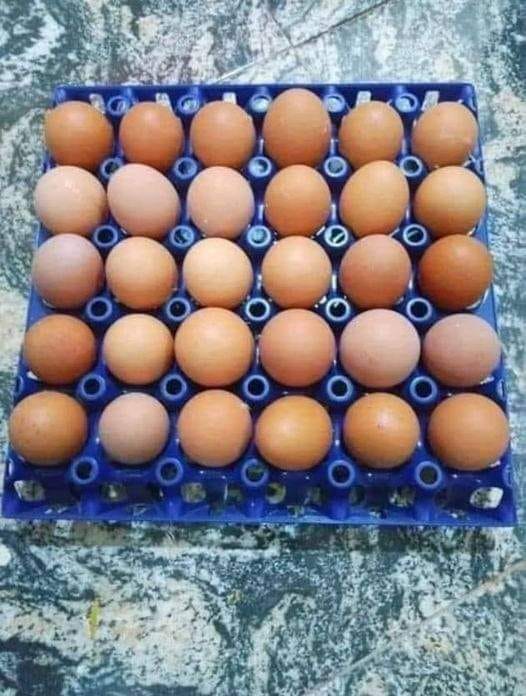
Eggs are an essential part of human diets across cultures, offering both versatility and a host of nutritional benefits. However, there are lesser-known facts about eggs that might surprise you. From their storage tips to their nutritional content and even egg-laying myths, here are 24 essential facts about eggs that can deepen your general knowledge.
1. Store Eggs Upside Down for Maximum Freshness
Storing eggs upside down can help them last longer in your refrigerator. By placing the pointy end down, you prevent air pockets from coming into contact with the yolk, which significantly slows down the aging process. This simple technique helps maintain egg freshness for extended periods, preserving their texture and quality.
2. Not All Eggs Are Edible
While bird eggs, such as those from chickens, are a staple in many kitchens, reptile eggs (like those from snakes or lizards) are generally not recommended for consumption. They contain high fat and low protein content compared to bird eggs, and can carry harmful bacteria or parasites that are potentially dangerous for human consumption.
3. Washed Eggs Must Be Refrigerated
When a hen lays an egg, it comes with a protective, nearly invisible bloom on the shell. This natural coating prevents air and bacteria from entering the egg, keeping it fresh longer. However, once eggs are washed— as they are in most commercial settings—this protective layer is removed, making refrigeration necessary to preserve freshness and prevent spoilage.
4. Yolks Vary in Color Based on Diet
The color of an egg yolk reflects the hen’s diet. Bright yellow or deep orange yolks are ideal, indicating a well-rounded diet. Chickens fed grain-based diets often lay eggs with lighter, yellow yolks, while free-range hens that consume bugs and vegetation will produce eggs with richer, deep-orange yolks. The color of the yolk can be an indicator of a more nutritious egg.
5. Hens Can Lay Eggs Without Roosters
A common misconception is that hens need a rooster to lay eggs. Hens will lay eggs regardless of whether a rooster is present. Roosters are only necessary if you want fertilized eggs, which can develop into chicks. Most commercial egg-laying hens never encounter a rooster in their lifetime.
6. Egg Sizes Are Linked to Hen Age
In supermarkets, you’ll find eggs categorized into sizes like small, medium, large, and jumbo. Contrary to popular belief, these sizes are not based on breed, but rather on the age of the hen. Older hens tend to lay larger eggs, which explains why jumbo eggs are often pricier. The size variation is a result of the hen’s physiological changes as she matures.
7. Other Indicators of Egg Freshness
Besides the well-known water float test to check for egg freshness, there are other clues to look for. Fresh eggs typically have thicker shells and taller yolks when cracked open. On the other hand, if the yolk looks wrinkled or dissolves into a puddle, the egg is likely old.
8. Lighting Affects Egg Production
Egg-laying can be influenced by manipulating the light exposure in a chicken coop. By adjusting the lighting to create a longer “day” (about 28 hours), hens can be tricked into laying larger and stronger eggs. This technique is often used in commercial egg production to optimize yield.
9. Eggs Benefit Eye Health
Eggs are rich in lutein, an antioxidant that is beneficial for maintaining eye health. Lutein helps in the prevention of cataracts and age-related macular degeneration, making eggs a key food for preserving vision as we age.
10. Shell Color Depends on Breed
The breed of the chicken determines the color of the egg’s shell. Most commercial eggs are either brown or white, but some breeds lay blue, green, or even pink eggs. The shell color doesn’t affect the nutritional value, taste, or quality of the egg.
11. Duck Eggs Are Better for Baking
Compared to chicken eggs, duck eggs contain more fat and albumen, making them superior for baking. Their higher fat content results in richer, fluffier baked goods, which is why many bakers prefer using them in recipes requiring structure, like cakes and pastries.
12. Why Brown Eggs Are More Expensive
Brown eggs typically cost more than white eggs due to the larger size and higher feed requirements of the hens that lay them. Brown-egg-laying hens need more nutrition, which leads to increased costs for farmers, making the eggs slightly pricier for consumers.
13. Testing for Freshness: The Water Trick
One of the easiest ways to check for egg freshness is by using the water test. Place an egg in a bowl of water. Fresh eggs sink to the bottom, while older eggs float due to the increased size of the air pocket inside.
14. Shell Thickness Indicates Egg Freshness
Fresh eggs often have thicker, stronger shells. As eggs age, their shells become thinner and more fragile. This is one of the easiest ways to determine if an egg is fresh before cracking it open.
15. Egg Yolks Should Be High and Firm
A fresh egg will have a yolk that stands tall and firm when cracked. As eggs age, the yolk becomes flatter and more watery, losing its structure and vitality.
16. Farm Fresh Eggs Last Longer
Farm fresh eggs, which often come unwashed, can last longer than store-bought eggs because they retain their natural bloom. As long as these eggs are kept at room temperature and away from moisture, they can remain fresh for weeks without refrigeration.
17. Pasteurization Prevents Salmonella
Eggs sold in stores often undergo pasteurization, which kills harmful bacteria like Salmonella. This process makes store-bought eggs safer for consumption, especially when using raw or undercooked eggs in recipes like mayonnaise or Caesar salad dressing.
18. Eggs Contain Every Vitamin Except Vitamin C
Eggs are considered a nutritional powerhouse, containing every vitamin except for Vitamin C. They are especially rich in Vitamin D, which many people are deficient in, as well as important B vitamins like B12.
19. Older Eggs Peel More Easily When Boiled
If you’ve ever struggled to peel a hard-boiled egg, chances are it was too fresh. Older eggs peel more easily because the air pocket inside the egg grows, which helps separate the membrane from the shell.
20. Room Temperature Eggs Are Best for Baking
When baking, it’s best to use room temperature eggs. Eggs at room temperature mix more easily with other ingredients and create a smoother, more consistent batter. Cold eggs can cause batters to curdle or solidify fats prematurely.
21. Double Yolks Are Rare, But Not Uncommon
Double yolk eggs occur when a hen’s ovulation cycle is irregular, causing two yolks to be released instead of one. Though rare, they are often found in young hens whose reproductive systems are still maturing.
22. Egg Whites Help Build Muscle
Egg whites are an excellent source of high-quality protein, making them ideal for muscle building and repair. With almost no fat, egg whites are a favorite among athletes and bodybuilders looking for lean protein options.
23. Quail Eggs: A Gourmet Alternative
Quail eggs are a smaller, gourmet alternative to chicken eggs. Despite their size, they are packed with nutrients, and their richer flavor makes them a popular choice for high-end dining.
24. Eggs and Brain Health
Eggs are rich in choline, a nutrient essential for brain health and development. Choline helps in the production of cell membranes and neurotransmitters, making it an important nutrient for memory and overall brain function.