
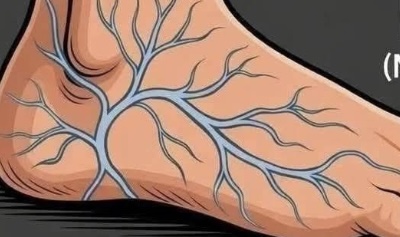
Your feet can reveal a surprising amount about your overall health. They carry you through daily activities, absorb pressure with every step, and are affected by circulation, nerves, skin conditions, injuries, and other health problems. While many foot changes are harmless, certain symptoms deserve attention, especially when they appear suddenly, become persistent, or interfere with walking.
Here are nine foot symptoms you should never simply ignore and what they could potentially mean.
1. Persistent Foot Swelling
Occasional swelling can happen after standing or walking for a long time. However, swelling that persists or repeatedly returns may have several possible causes, including an injury, inflammation, circulation problems, or fluid retention.
If swelling affects only one foot and develops suddenly, particularly when accompanied by pain, warmth, or redness, seek medical attention promptly.
2. Numbness or Tingling
A feeling of pins and needles after sitting in one position is usually temporary. Persistent numbness, burning, or tingling in the feet can be associated with nerve irritation or peripheral neuropathy.
Diabetes is one possible cause, but nutritional deficiencies, certain medications, alcohol use, and other medical conditions can also affect nerves. Persistent symptoms should be evaluated by a healthcare professional.
3. Sudden or Severe Foot Pain
Foot pain can result from overuse, uncomfortable shoes, minor injuries, or conditions such as plantar fasciitis. But sudden, severe, or unexplained pain deserves attention.
Pain accompanied by significant swelling, inability to put weight on the foot, deformity, or an obvious injury may require urgent evaluation to rule out a fracture or another serious problem.
4. Changes in Skin Color or Temperature
Pay attention if one or both feet become unusually pale, blue, purple, red, or noticeably colder than usual.
Changes in color or temperature can sometimes be related to circulation problems. A foot that suddenly becomes very cold, pale, blue, or extremely painful requires urgent medical attention.
5. Slow-Healing Cuts or Sores
Small cuts and blisters generally heal with proper care. If a wound on your foot takes unusually long to heal, repeatedly opens, or shows signs of infection, it should not be ignored.
People with diabetes should be especially careful with foot wounds because reduced sensation and circulation problems can increase the risk of complications.
6. Burning or Hot Feet
A burning sensation in the feet can have many possible explanations. It may occur after prolonged activity or exposure to heat, but persistent burning can sometimes be associated with nerve problems.
If burning sensations continue, become stronger at night, or occur together with numbness or weakness, discuss them with a healthcare professional.
7. Unexplained Changes in Toenails
Toenails can change because of injury, fungal infections, repeated pressure from footwear, or other conditions.
Thickened, brittle, discolored, painful, or unusually shaped nails should be checked if the changes persist. A dark streak under a toenail that is not clearly explained by an injury also deserves professional evaluation.
8. Cracks, Sores, or Peeling Skin
Dry skin is common, especially around the heels. However, deep cracks can become painful and may provide an entry point for infection.
Persistent peeling, itching, redness, or scaling between the toes may also occur with fungal infections. Keeping feet clean and dry can help, but persistent or worsening symptoms may require appropriate treatment.
9. Changes in the Shape of Your Foot
A noticeable change in foot shape, new deformity, or difficulty finding comfortable footwear can sometimes develop because of structural problems, arthritis, previous injuries, or other conditions.
If a change develops quickly or is accompanied by significant pain, swelling, redness, or difficulty walking, arrange a medical evaluation.
When Should You Seek Urgent Medical Care?
Some foot symptoms require prompt attention. Seek urgent medical care if you experience sudden severe pain, a rapidly swollen foot, significant color or temperature changes, a serious injury, an open wound with signs of infection, or loss of sensation accompanied by other concerning symptoms.
People with diabetes, known circulation problems, or reduced sensation in their feet should be particularly cautious and should follow their healthcare professional’s recommended foot-care routine.
Simple Ways to Protect Your Feet
Daily foot care can help you notice changes early. Check your feet regularly for cuts, blisters, swelling, redness, discoloration, or unusual skin changes. Wash them gently and dry them thoroughly, especially between the toes. Wear properly fitting shoes and clean socks, and avoid walking barefoot when there is a significant risk of injury.
It is also helpful to avoid treating persistent foot problems based solely on information found online. The same symptom can have several different causes, and proper diagnosis may require a physical examination or other tests.
Final Thoughts
Your feet deserve attention because changes in them can sometimes provide an early clue that something needs medical evaluation. Persistent swelling, numbness, unusual color changes, slow-healing wounds, severe pain, burning sensations, nail changes, skin problems, and changes in foot shape should not automatically be dismissed.
Not every foot symptom indicates a serious health problem, but paying attention to persistent or unusual changes can help you seek appropriate care sooner. If a symptom is new, worsening, severe, or affecting your ability to walk normally, consult a qualified healthcare professional for personalized advice.