
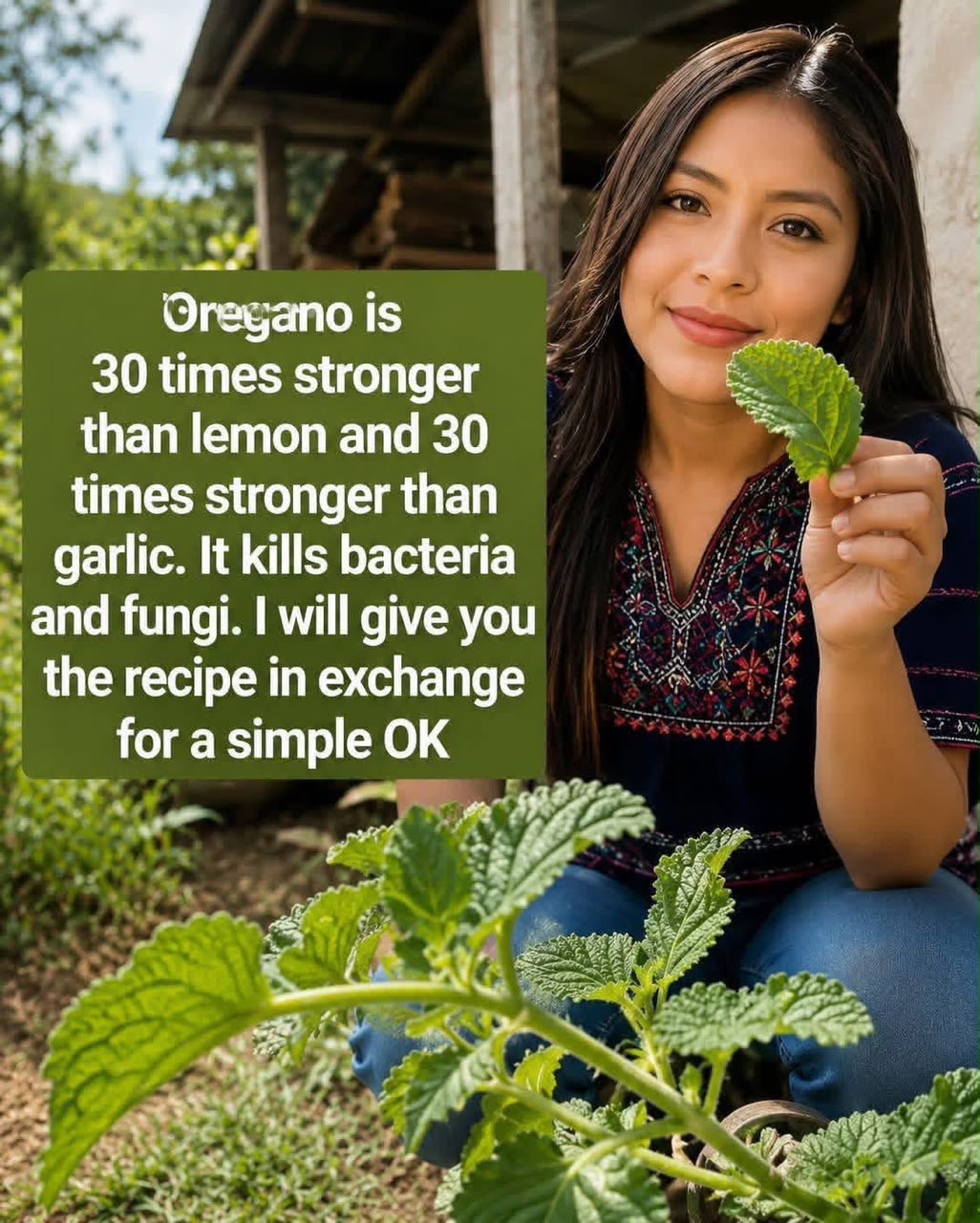
Oregano is more than a flavorful herb used in Mediterranean cooking. For centuries, it has been valued as a traditional herb and is now widely studied for its naturally occurring plant compounds. Oregano contains aromatic compounds such as carvacrol and thymol, which have demonstrated antimicrobial activity in laboratory research. While social media often claims that oregano is “30 times stronger” than lemon or garlic, there is no reliable scientific basis for that exact comparison. However, oregano can still be an interesting and useful addition to a balanced diet.
What Makes Oregano Special?
Oregano belongs to the mint family and is naturally rich in essential oils and antioxidant compounds. Its characteristic aroma comes largely from compounds such as carvacrol and thymol. Researchers have investigated these substances because they may interfere with certain microorganisms under laboratory conditions.
This does not mean that eating oregano can cure an infection or replace medical treatment. Laboratory findings are different from proven effects in humans. Nevertheless, oregano remains a nutritious culinary herb that can add flavor while contributing beneficial plant compounds to your diet.
Oregano and Antioxidants
One reason oregano attracts attention is its antioxidant content. Antioxidants help protect cells from oxidative stress caused by unstable molecules known as free radicals.
Fresh and dried oregano can both be incorporated into everyday meals. Adding oregano to vegetables, soups, sauces, beans, eggs, fish, chicken, or whole grains is an easy way to enjoy its flavor without relying on excessive salt or heavy sauces.
A varied diet containing herbs, vegetables, fruits, legumes, whole grains, nuts, and other plant foods provides a wide range of naturally occurring compounds.
Oregano and Antimicrobial Research
Oregano oil has received considerable scientific interest because compounds such as carvacrol and thymol have shown activity against certain bacteria and fungi in laboratory studies.
These findings are promising, but they should be interpreted carefully. A substance that affects microorganisms in a laboratory dish does not automatically have the same effect when consumed by a person. Dosage, digestion, absorption, metabolism, and many other factors influence what happens inside the body.
For this reason, oregano should be viewed as a culinary herb rather than an alternative to antibiotics, antifungal medication, or professional medical care.
A Simple Oregano Drink
If you enjoy oregano as a traditional herbal beverage, you can prepare a simple oregano infusion.
Ingredients:
- 1 teaspoon dried oregano
- 1 cup hot water
- Lemon slice, optional
- Honey, optional
Instructions:
Place the dried oregano in a cup and pour hot water over it. Cover and allow it to steep for approximately 5–10 minutes. Strain the liquid and add a small amount of lemon or honey if desired.
This drink can be enjoyed occasionally as part of a normal diet. It should not be considered a treatment for bacterial or fungal infections.
Oregano Oil Is Different from Oregano Leaves
It is important to distinguish culinary oregano from concentrated oregano essential oil. Oregano essential oil contains much higher concentrations of active aromatic compounds and should not simply be consumed like a seasoning.
Essential oils can irritate the mouth, throat, stomach, or skin when used incorrectly. Products intended for internal use should only be used according to their specific instructions, and people taking medications or managing medical conditions should consult a qualified healthcare professional before using concentrated herbal products.
How to Add More Oregano to Your Meals
You do not need complicated recipes to enjoy oregano. Sprinkle dried oregano over roasted vegetables, tomato sauce, grilled chicken, homemade pizza, salads, potatoes, lentils, or beans.
Fresh oregano can also be chopped and added toward the end of cooking to preserve some of its aroma. Combining oregano with garlic, olive oil, tomatoes, lemon, and other herbs can create flavorful meals without requiring large amounts of salt.
The Bottom Line
Oregano is a flavorful herb with an impressive nutritional and phytochemical profile. Compounds such as carvacrol and thymol have demonstrated antimicrobial effects in laboratory research, which helps explain why oregano has attracted so much scientific and traditional interest.
However, claims that oregano is exactly “30 times stronger” than lemon or garlic should not be treated as established scientific facts. Oregano may support a healthy eating pattern, but it should not be presented as a cure for bacterial or fungal infections.
The simplest way to enjoy its potential benefits is to include oregano regularly as part of a varied, balanced diet. Use it to make everyday meals more flavorful, experiment with oregano tea if you enjoy herbal drinks, and remember that concentrated oregano oil requires considerably more caution than the ordinary herb used in cooking.