
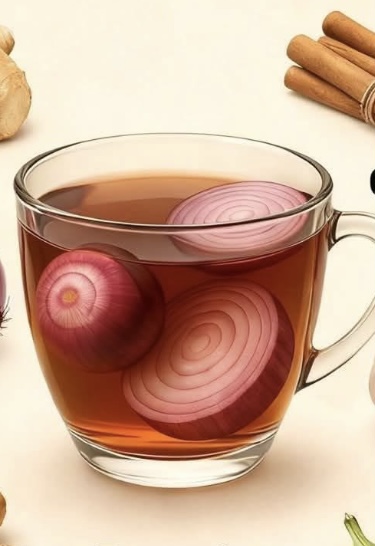
A warm cup of herbal tea can be a simple and comforting part of your daily routine. Different herbs and spices have been traditionally used in homemade drinks for their distinctive flavors and potential wellness benefits. Ginger, cinnamon, onion, garlic, turmeric, and guava leaves are among the ingredients commonly used in traditional preparations.
Rather than thinking of one tea as a cure-all, it is better to view these ingredients as flavorful additions to a balanced lifestyle. Each one contains naturally occurring plant compounds, and preparing them as a warm infusion can be an easy way to enjoy them.
Ginger Tea for a Warming Morning Drink
Ginger is one of the most popular ingredients for homemade herbal beverages. Fresh ginger has a naturally spicy, warming flavor that can make a morning drink especially enjoyable.
To prepare ginger tea, slice a small piece of fresh ginger and place it in hot water. Allow it to steep for several minutes before drinking. You can add lemon for a refreshing flavor or a small amount of honey if desired.
Ginger contains compounds called gingerols and shogaols, which have been studied for their biological properties. Ginger is also traditionally consumed to support comfortable digestion and reduce occasional feelings of nausea.
Cinnamon Tea for a Naturally Aromatic Flavor
Cinnamon adds a sweet, woody aroma without requiring much sugar. It can be prepared by steeping a cinnamon stick in hot water for several minutes.
Cinnamon contains naturally occurring compounds that have attracted scientific interest, particularly regarding metabolism and antioxidant activity. However, drinking cinnamon tea should not be considered a replacement for medical treatment or prescribed medication.
For regular use, choosing Ceylon cinnamon can be a practical option because it generally contains much less coumarin than cassia cinnamon. Large amounts of coumarin over time may be problematic for the liver in some people.
Onion Tea: A Traditional Homemade Preparation
Onion tea may sound unusual, but onions have been used in traditional home preparations for generations. Onions contain sulfur-containing compounds and flavonoids, including quercetin.
To make a simple onion infusion, peel and slice a small onion and simmer it gently in water. Strain the liquid before drinking. Because onion tea has a strong flavor, some people prefer adding ginger, cinnamon, or lemon.
There is no strong evidence that onion tea can “clean” the blood or cure illnesses. Its value is better understood as a traditional beverage made from a nutritious vegetable.
Garlic Tea and Its Traditional Uses
Garlic is well known for its strong flavor and distinctive aroma. It contains sulfur-containing compounds, including allicin, which forms when fresh garlic is crushed or chopped.
Some people prepare garlic tea by crushing one small clove and adding it to hot water. Lemon and ginger can help create a more pleasant flavor.
Garlic has been extensively studied for its potential effects on cardiovascular health and other areas of wellness. However, the amount consumed in a homemade tea is not necessarily equivalent to the amounts or preparations used in scientific studies.
People taking blood-thinning medication should be particularly careful with large amounts of garlic and should speak with a healthcare professional if they plan to consume concentrated garlic preparations regularly.
Turmeric Tea for a Golden, Comforting Drink
Turmeric gives herbal drinks their characteristic golden color. It contains curcumin, a naturally occurring compound that has been widely studied for its antioxidant and anti-inflammatory properties.
A simple turmeric tea can be made with a small amount of turmeric powder or fresh turmeric combined with hot water. Ginger, cinnamon, or lemon can be added for extra flavor.
Turmeric is commonly included in cooking as well as traditional drinks. While research into curcumin is promising in several areas, turmeric tea should not be presented as a treatment for serious diseases or as a substitute for professional medical care.
Guava Leaf Tea
Guava leaves are traditionally used in several cultures to prepare herbal infusions. The leaves contain various plant compounds, including polyphenols and flavonoids.
To prepare guava leaf tea, wash several fresh guava leaves thoroughly, add them to water, and simmer gently for several minutes. Strain the drink and allow it to cool slightly before serving.
Guava leaf preparations have been investigated in scientific research, but evidence for specific health effects remains limited and depends on the preparation and amount consumed.
Morning or After Dinner?
The best time to drink an herbal tea depends largely on personal preference and the ingredients used. A ginger or cinnamon infusion can make a pleasant morning beverage, while a mild herbal drink after dinner can become part of a relaxing evening routine.
If you are sensitive to spicy foods, ginger, garlic, and turmeric may be more comfortable when consumed in modest amounts. It is also wise to avoid drinking large quantities of any herbal preparation simply because it is considered “natural.”
How to Make a Simple Herbal Tea Blend
You do not need to combine every ingredient shown in the picture. Mixing too many strong flavors can make the drink unpleasant and may also increase the amount of certain compounds you consume.
For a simple homemade blend, try:
- A few slices of fresh ginger
- One small piece of cinnamon stick
- A small amount of turmeric
- Hot water
- Lemon or honey for flavor, if desired
Simmer or steep the ingredients for approximately 5–10 minutes, then strain and enjoy while warm.
Garlic, onion, and guava leaves can also be prepared separately rather than adding everything to one cup.
A Simple Addition to a Healthy Routine
Herbal tea can be an enjoyable way to drink more fluids and experiment with natural flavors. Ginger, cinnamon, turmeric, garlic, onion, and guava leaves each have their own traditional uses and nutritional characteristics, but none should be considered a miracle remedy.
For everyday wellness, herbal drinks work best alongside a balanced diet, regular physical activity, adequate sleep, and appropriate medical care when needed. If you have a medical condition, are pregnant, or take prescription medication, check with a healthcare professional before regularly consuming concentrated herbal preparations.
A warm cup of ginger, cinnamon, turmeric, or another herbal infusion can be a simple, comforting ritual in the morning or after dinner—without needing exaggerated health claims to make it worthwhile.