
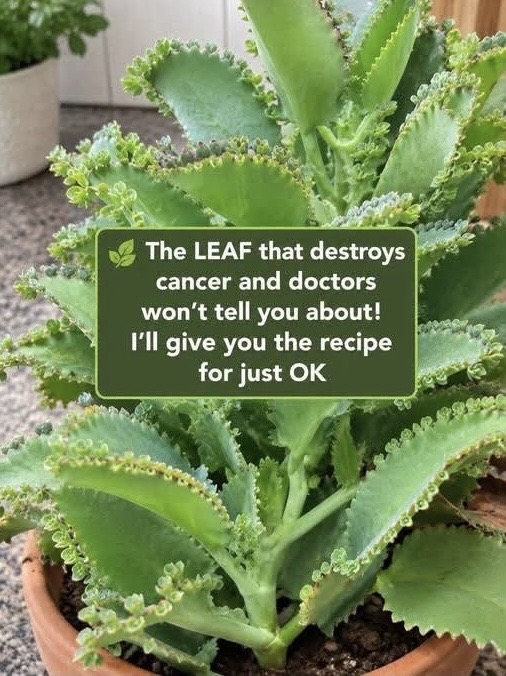
The Mother of Thousands plant is a fascinating succulent known for the tiny plantlets that grow along the edges of its leaves. Its unusual appearance has made it popular with gardeners and plant enthusiasts, while traditional practices in some regions have used Kalanchoe plants in different ways.
However, you may have seen social media posts claiming that this leaf can “destroy cancer” or replace medical treatment. There is no reliable clinical evidence that eating or preparing Mother of Thousands leaves can cure or destroy cancer. Cancer treatment should always be discussed with a qualified healthcare professional.
What Is the Mother of Thousands Plant?
Mother of Thousands is a common name used for several Kalanchoe species, particularly Kalanchoe daigremontiana. The plant is easily recognized by its thick green leaves and numerous tiny plantlets that develop around the leaf margins.
These young plantlets eventually fall from the parent leaf and can grow into new plants. This unusual method of reproduction is responsible for the plant’s memorable name.
The plant is generally grown as an ornamental succulent because it is relatively easy to maintain and can tolerate periods of dry conditions.
Why Is This Plant Associated With Health Claims?
Kalanchoe species contain naturally occurring compounds that have attracted scientific interest. Laboratory research has investigated certain Kalanchoe compounds for biological activities, including antioxidant and cytotoxic effects.
But laboratory findings are not the same as proving that a plant cures cancer in humans.
A substance can affect cancer cells in a laboratory setting without being safe, effective, or useful as a cancer treatment in the human body. Proper clinical studies are required before a treatment can be recommended.
Can You Eat Mother of Thousands Leaves?
It is important to be cautious. Kalanchoe plants contain bufadienolides, compounds that can affect the heart and may be toxic when consumed.
For this reason, homemade teas, juices, extracts, or concentrated preparations made from Kalanchoe leaves should not be treated as harmless natural remedies.
Children and pets should also be kept away from the plant, particularly because accidental ingestion can cause poisoning.
If someone has consumed an unknown amount of a Kalanchoe plant and develops symptoms such as vomiting, diarrhea, weakness, abnormal heartbeat, dizziness, or other concerning symptoms, seek medical or poison-control advice promptly.
A Safer Way to Appreciate the Plant
For most people, the safest way to enjoy Mother of Thousands is simply as an ornamental houseplant or garden succulent.
Place it somewhere with bright light, use well-draining soil, and avoid keeping the roots constantly wet. Like many succulents, it can suffer from root problems when overwatered.
Its ability to produce tiny plantlets also makes it an interesting plant for propagation and gardening projects.
What About Cancer Treatment?
If you or someone you know has cancer, it is understandable to look for natural options. However, replacing proven cancer treatment with an unproven plant remedy can be dangerous.
Do not stop chemotherapy, radiation therapy, surgery, immunotherapy, targeted therapy, or prescribed medication because of information found on social media.
If you are interested in using an herbal product alongside conventional treatment, discuss it with your oncologist or pharmacist first. Some plants and supplements can interact with medicines or affect treatment.
The Bottom Line
Mother of Thousands is an unusual and beautiful succulent with an interesting reproductive process and a long history of traditional interest. However, the popular claim that its leaves destroy cancer is not established by reliable clinical evidence.
Rather than using a homemade leaf preparation as a cancer treatment, enjoy this plant for what it is: a remarkable succulent that can make an attractive addition to a plant collection.
Natural does not automatically mean safe, and traditional use does not automatically prove medical effectiveness. When it comes to cancer, evidence-based medical care and professional guidance remain essential.