
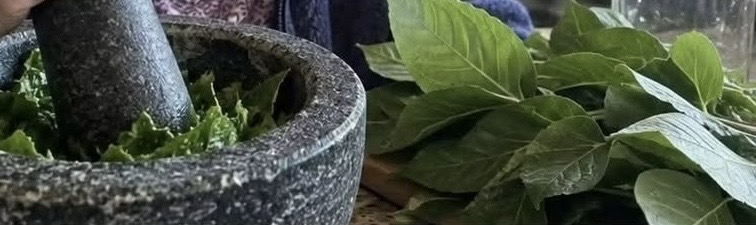
Claims that a single leaf can cure cancer in 24 hours or completely destroy cancer cells are widely shared online, but there is no reliable scientific evidence that an herbal leaf can eliminate cancer that quickly. Cancer is a complex group of diseases, and effective treatment depends on the type, stage, location, and individual circumstances.
That does not mean that plants and herbs are uninteresting. Many leaves contain naturally occurring compounds that researchers study for their antioxidant and other biological properties. Some herbs can also be used as flavorful additions to food or as traditional herbal beverages. However, these uses should not be confused with a proven cancer treatment.
A Simple Herbal Leaf Tea
If you enjoy herbal drinks, a simple tea can be prepared using a known, food-safe culinary herb, such as fresh mint.
Ingredients:
- 8–10 fresh mint leaves
- 1½ cups hot water
- 1 teaspoon honey, optional
- A small slice of lemon, optional
Instructions:
- Wash the mint leaves thoroughly under clean running water.
- Place the leaves in a cup or teapot.
- Pour hot water over the leaves.
- Cover and allow the tea to steep for approximately 5–10 minutes.
- Strain the leaves.
- Add a small amount of honey or lemon if desired.
- Enjoy while warm.
This beverage can be a pleasant way to enjoy mint, but it should not be used as a substitute for cancer treatment.
Why “Cure Cancer in 24 Hours” Claims Are Misleading
Cancer cells are not all the same. Different cancers behave differently, and even the same cancer can respond differently from one person to another. Treatment may involve surgery, radiation therapy, chemotherapy, targeted therapy, immunotherapy, hormone therapy, or combinations of these approaches.
A laboratory study showing that a plant compound affects cancer cells is also not the same as demonstrating that eating or drinking the plant cures cancer in humans. Researchers must determine appropriate doses, safety, interactions, effectiveness, and long-term outcomes through progressively stronger scientific studies.
This distinction is especially important with social-media recipes. Images showing a supposed “before and after” cancer cell are not enough to demonstrate that a particular leaf works as a treatment.
Can Herbal Leaves Still Be Part of a Healthy Lifestyle?
Yes. Many edible herbs can contribute flavor and variety to meals and beverages. Mint, parsley, basil, oregano, rosemary, and other culinary herbs can be incorporated into a balanced diet.
For example, fresh mint can be added to water, salads, yogurt, smoothies, or tea. These foods can be enjoyable without making unsupported medical promises about their effects.
A healthy lifestyle can include a balanced diet containing vegetables, fruits, whole grains, legumes, protein sources, and healthy fats. Regular physical activity, adequate sleep, avoiding tobacco, and following appropriate medical screening recommendations are also important aspects of general health.
Important Safety Considerations
Never consume an unidentified leaf simply because a photograph or social-media post claims that it has powerful medicinal properties. Some plants look very similar but can have completely different effects, including potentially toxic effects.
Herbal products can also interact with prescription medicines. People receiving cancer treatment should be particularly careful because supplements and concentrated herbal preparations may affect medications or treatment-related processes.
If someone has been diagnosed with cancer, they should discuss any herbal tea, supplement, extract, or traditional remedy with their doctor or oncology team before using it.
The Bottom Line
There is no scientifically established leaf recipe that cures cancer within 24 hours. While many edible leaves and herbs can be enjoyed as part of food and beverages, they should not be presented as replacements for evidence-based cancer treatment.
A simple herbal tea can be a comforting beverage, but cancer requires appropriate medical evaluation and treatment. If you see a viral post claiming that a particular leaf “destroys cancer cells” or “reverses cancer overnight,” look for evidence from reputable medical sources and clinical research before believing or sharing the claim.