
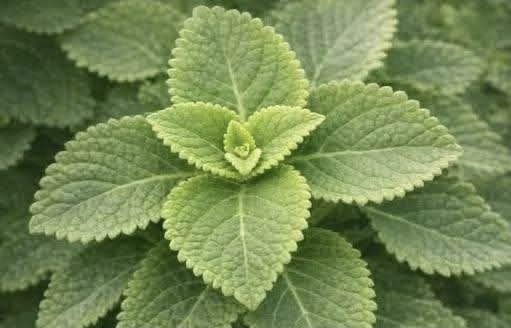
Oregano is much more than a flavorful herb used to season pizzas, soups, sauces, and roasted vegetables. For centuries, oregano leaves have been valued in traditional herbal practices for their aromatic qualities and potential wellness benefits. Today, many people enjoy oregano as part of a balanced lifestyle, especially when looking for simple, natural ways to support digestion and overall respiratory comfort.
One small oregano leaf contains naturally occurring plant compounds, including aromatic oils and antioxidants. While oregano should not be considered a treatment for bronchial conditions or digestive diseases, incorporating it into food or enjoying it as a mild herbal infusion can be a pleasant addition to everyday wellness.
Why Oregano Has Been Used Traditionally
Oregano belongs to the mint family and is naturally rich in aromatic compounds. Its distinctive smell and strong flavor come largely from compounds such as carvacrol and thymol. These compounds have been studied for their antioxidant and antimicrobial properties, although laboratory findings should not be interpreted as proof that oregano can prevent or cure illnesses in people.
Traditional herbal use often focuses on oregano as a warming, aromatic herb that may be enjoyed after meals or during colder seasons. Its popularity comes partly from how easy it is to incorporate into everyday cooking.
Oregano and Digestive Comfort
Digestive wellness is one of the most common reasons people traditionally use aromatic herbs. Oregano can be added to meals containing vegetables, beans, grains, meat, or soups, making it an easy way to increase flavor without relying heavily on salt.
Some people also enjoy oregano tea after a meal. A mild infusion can be prepared using dried oregano leaves and hot water. The warm beverage itself may feel soothing, while oregano contributes its characteristic herbal aroma.
However, oregano tea should not be viewed as a guaranteed remedy for bloating, indigestion, constipation, or other digestive problems. Persistent or severe digestive symptoms should always be discussed with a qualified healthcare professional.
Oregano and Respiratory Wellness
Oregano has also been traditionally associated with respiratory comfort. Its strong aromatic compounds can make an oregano infusion feel warming and refreshing, particularly during colder weather.
A simple oregano tea may be prepared by placing a small amount of dried oregano in a cup, adding hot water, and allowing it to steep for several minutes. Some people add lemon or a little honey for flavor.
It is important to understand that oregano cannot replace medical treatment for bronchitis, asthma, pneumonia, or other respiratory conditions. Difficulty breathing, chest pain, persistent wheezing, high fever, or symptoms that become worse require appropriate medical attention.
How to Make Oregano Tea
Making a simple oregano infusion requires only a few ingredients.
Ingredients:
- 1 teaspoon dried oregano leaves
- 1 cup hot water
- Lemon or honey, optional
Instructions:
Place the oregano leaves in a cup or teapot. Pour hot water over the leaves and cover the cup. Let the oregano steep for approximately 5–10 minutes. Strain the liquid and allow it to cool slightly before drinking.
If desired, add a small amount of honey or fresh lemon for taste. Avoid making the infusion excessively concentrated, especially if you are trying oregano tea for the first time.
Fresh Oregano vs. Dried Oregano
Both fresh and dried oregano can be useful in the kitchen. Fresh oregano generally has a softer, greener flavor, while dried oregano has a stronger and more concentrated aroma.
For cooking, dried oregano works particularly well in tomato sauces, roasted vegetables, marinades, salads, soups, and grilled foods. Fresh leaves can be chopped and added near the end of cooking to preserve more of their fresh aroma.
If your goal is simply to include oregano in your daily diet, using it as a culinary herb is one of the easiest approaches.
Important Safety Considerations
Natural does not automatically mean risk-free. Oregano used as a food seasoning is generally different from highly concentrated oregano essential oil or supplements.
Oregano essential oil is extremely concentrated and should not be consumed casually. It may cause irritation or other adverse effects if used improperly. Pregnant or breastfeeding individuals, children, and people taking medications should seek professional advice before using concentrated herbal products.
If you have an allergy to oregano or other plants in the mint family, avoid using it. Anyone experiencing an unusual reaction after consuming oregano should stop using it and seek appropriate medical advice.
A Simple Way to Add Oregano to Your Routine
You do not need complicated recipes to enjoy oregano. Sprinkle dried oregano over roasted vegetables, mix it into homemade salad dressing, add it to soups, or combine fresh oregano with olive oil and lemon for a simple Mediterranean-inspired dressing.
For those who enjoy herbal teas, a mild oregano infusion can occasionally be enjoyed as a warm beverage. The key is moderation and understanding that herbs can complement a healthy lifestyle but should not replace a nutritious diet, adequate hydration, sleep, exercise, or professional medical care.
Final Thoughts
Oregano is a versatile aromatic herb with a long history of culinary and traditional use. Its naturally occurring plant compounds have attracted scientific interest, while its bold flavor makes it an easy addition to everyday meals.
Whether sprinkled over dinner or prepared as a mild herbal tea, oregano can be a simple way to bring more variety to your wellness routine. For digestive and respiratory concerns, however, it is best to think of oregano as a supportive food or traditional herbal option rather than a medical treatment.
Enjoy oregano in reasonable amounts, choose simple preparations, and pay attention to how your body responds. When symptoms are persistent, severe, or concerning, professional medical advice is always the safest choice.